Key Takeaways
- Exercise can support addiction recovery by helping regulate dopamine, lower stress, improve sleep, and reduce cravings.
- Aerobic exercise, strength training, yoga, and mindfulness-based movement can each play a different role in recovery.
- Research suggests physical activity may improve mood, treatment engagement, and abstinence outcomes, especially when paired with structured clinical care.
- Exercise is not a replacement for therapy, detox, or dual diagnosis treatment, but it can be a meaningful part of a full recovery plan.
- At Seasons in Malibu, movement-based wellness can be integrated into treatment alongside doctorate-level therapy, psychiatry, and individualized care.
Exercise can help in addiction recovery, and the research points to several clear reasons why. Physical activity may support the brain systems affected by substance use, especially those involved in reward, stress, mood, and impulse control. It can also give you something recovery often needs badly in the beginning: structure, relief, and a way to feel more present in your own body.
That said, exercise is not a cure on its own. If you are dealing with alcohol dependence, drug withdrawal, trauma, depression, anxiety, or a dual diagnosis, movement works best as part of real treatment. Therapy helps you understand what is driving the addiction. Exercise helps your nervous system settle enough to use what therapy is teaching you.

What Exercise Does in the Brain During Recovery
Addiction changes the brain. Substances can overstimulate reward pathways, disrupt stress hormones, and weaken the systems involved in judgment and self-control. When the substance is removed, many people are left with a brain and body that feel dysregulated. That is part of why recovery can feel flat, anxious, or emotionally intense at first.
Exercise appears to help because it affects some of the same systems in a healthier and more sustainable way.
Dopamine regulation
Drugs and alcohol can push dopamine far beyond normal levels. Over time, the brain adapts. Natural rewards may stop feeling rewarding. Motivation drops. Pleasure feels blunted. This is one reason people in early recovery sometimes say they do not enjoy anything.
Exercise may help restore some balance. A 2025 systematic review and meta-analysis by Alserihi, Abdullah, and Bashrahil in Medicine examined supervised exercise as adjunctive treatment for substance use disorders and found that physical activity may influence dopamine signaling, craving, and relapse vulnerability. A separate 2022 study by Lynch and colleagues in Translational Psychiatry showed that early exercise access reduced later vulnerability to opioid use in animal models, pointing to lasting neurobiological effects of physical activity. The point is not that a workout replaces a drug high. It does not. The point is that regular movement may help the brain respond to natural rewards again over time.
Recovery is partly about relearning pleasure. A walk on the beach. A calmer morning. Better sleep. Those things can seem small until you have gone a long time without feeling them.
Stress reduction
Stress is one of the most common relapse triggers. Exercise can reduce stress reactivity, improve mood, and help discharge physical tension that might otherwise build into cravings or impulsive behavior. Research has linked regular physical activity with lower symptoms of anxiety and depression, which are often part of addiction recovery.
A 2024 network meta-analysis by Li and Gao in the Journal of Addictive Diseases examined non-pharmacological interventions for psychiatric symptoms among people with substance use disorders and found that exercise-based approaches showed benefits for mood, anxiety, and craving reduction across multiple study designs. While study designs varied, the overall pattern was encouraging: movement may help people tolerate distress without reaching for a substance.
Neuroplasticity and cognitive recovery
Neuroplasticity means the brain can change and adapt. That ability is central to recovery. You are helping the brain build healthier patterns through repetition, support, and time.
Exercise may support that process. Physical activity has been associated with improvements in memory, attention, and executive function in broader mental health research, and those capacities matter deeply in recovery. Better focus can make therapy more useful. Better impulse control can create the space between urge and action. Better sleep can make everything else more possible.
If you have been living in survival mode, that can be hard to imagine. But the brain does heal.
What the Clinical Research Shows
Several studies and reviews suggest that exercise can be a helpful adjunct to treatment.
A 2016 study by Robertson and colleagues in Neuropsychopharmacology examined exercise training effects on striatal dopamine receptors in methamphetamine users and suggested that exercise may help restore receptor availability reduced by stimulant use.
A 2025 meta-analysis by Carlson, Smith, and Strickland in Experimental and Clinical Psychopharmacology found that structured physical activity was associated with reduced substance use, with consistency of participation mattering more than exercise type.
Research across multiple reviews consistently points to a practical truth: benefits depend on consistency. A single workout may help you feel better that day. Recovery support comes from building a routine that holds up over time. Both the Alserihi and Carlson meta-analyses emphasized that adherence to an exercise program was a stronger predictor of outcomes than the specific type of activity chosen.
There is also relevant evidence from tobacco research. A 2012 meta-analysis by Roberts, Maddison, Simpson, Bullen, and Prapavessis in Psychopharmacology found that acute exercise sessions reduced cigarette cravings and withdrawal symptoms in the short term. Nicotine is not the same as alcohol, opioids, or stimulants, but this line of research adds to the broader case that movement can help regulate urge states during recovery.
The field still needs larger, more standardized trials, and not every study shows strong long-term abstinence effects. But the consistent theme is that exercise is low risk for most people when medically appropriate, and it may improve the things recovery depends on: mood, sleep, stress tolerance, treatment engagement, and physical health.
In other words, exercise may not do everything. But it can do a lot.

Which Types of Exercise Help Most?
There is no single best form of movement for everyone. The right kind of exercise depends on your health, your history, your current level of stability, and how your body responds. In a good treatment setting, exercise is matched to the person, not forced into a one-size-fits-all plan.
Aerobic exercise
Aerobic activity includes walking, jogging, swimming, cycling, hiking, and similar movement that raises your heart rate. This is the form of exercise most often studied in addiction recovery. It may help with mood, stress regulation, sleep, and cravings.
If you are in early recovery, start smaller than you think you should. A daily walk can be more useful than an intense routine you abandon in four days.
Strength training
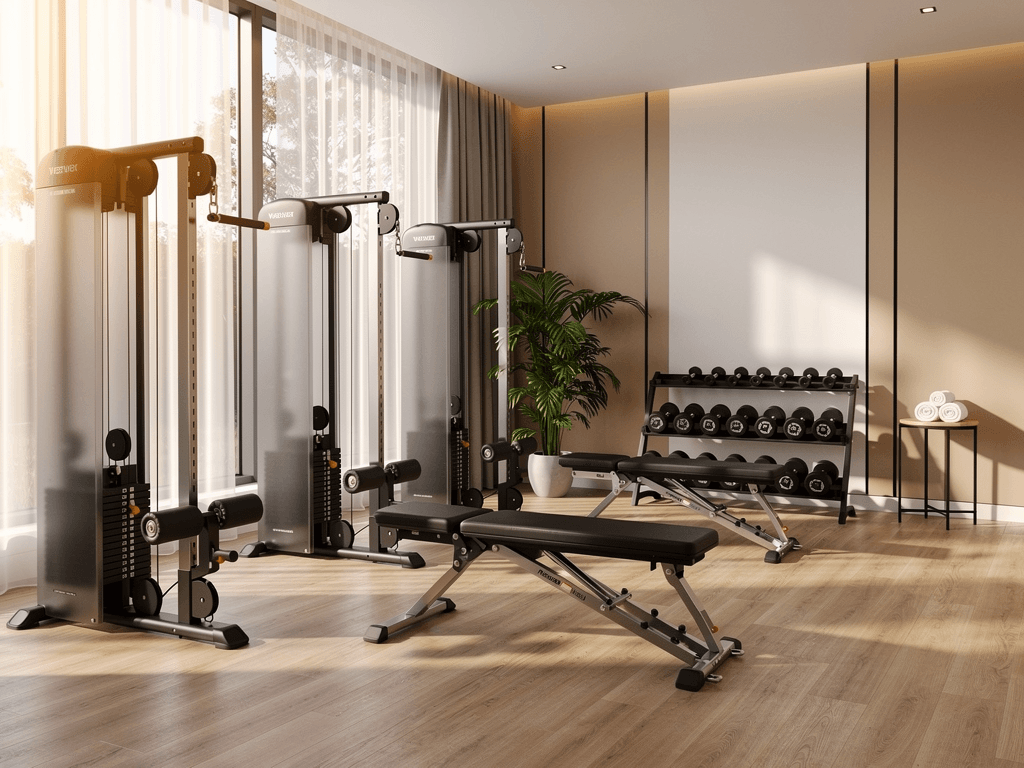
Strength work can be especially helpful for rebuilding physical confidence. Addiction often leaves people feeling disconnected from their bodies. Resistance training can help shift that, and for some people, the psychological effect is as important as the physical one.
Yoga and mindfulness-based movement
Yoga can be powerful in recovery because it combines movement, breath, and attention. That combination may help calm the nervous system, improve body awareness, and make it easier to notice cravings without acting on them.
A 2024 systematic review in the Journal of Addictive Diseases by Li and Gao examined non-pharmacological interventions including yoga and mindfulness-based approaches for substance use disorders, noting promising but still developing evidence for craving reduction and emotional regulation benefits. The studies were small and varied, so the conclusions were cautious. Still, yoga remains clinically useful for many people, especially those with trauma histories or high anxiety.
Mindfulness-based movement can include yoga, tai chi, gentle stretching, and breath-centered mobility work. These practices may be especially helpful if traditional workouts feel overwhelming or triggering.
Recreational and outdoor movement
Not all recovery exercise has to happen in a gym. Surfing, hiking, beach walks, tennis, and guided recreational movement can help people reconnect with enjoyment and routine. At a place like Seasons in Malibu, the environment itself can support that process. There is something real about moving outdoors near the ocean. The body tends to soften. The mind often follows.
How Exercise Fits Into a Full Treatment Plan
Exercise works best when it supports treatment rather than distracting from it. If exercise becomes compulsive, punishing, or tied to body image distress, it can create new problems. This is especially important for people with trauma, eating disorders, perfectionism, or a history of overtraining.
That is why exercise in addiction recovery needs structure. In treatment, movement should be used to support regulation, not to chase intensity or escape emotion.
At Seasons in Malibu, exercise can be part of a broader individualized treatment approach that includes one-on-one therapy, psychiatry, trauma work, and dual diagnosis care. For clients who need deeper support around trauma, programs such as trauma therapy may be central to the work. For those entering care and unsure what the process looks like, what to expect can make the first steps feel more manageable.
In quality addiction treatment in Malibu, fitness is not there to impress you. It is there to help you regulate, rebuild, and stay engaged in the harder emotional work.
Practical Ways to Use Exercise in Recovery
If you are trying to build movement into recovery, keep it simple. You do not need the perfect program. You need something realistic enough to continue when life gets hard.
- Start with consistency, not intensity. Twenty minutes most days is often better than a punishing weekend workout.
- Choose movement you can tolerate emotionally. If a crowded gym spikes your anxiety, start with walks, stretching, or private training.
- Pair exercise with an existing routine. A walk after breakfast or yoga before bed is easier to maintain than a vague plan.
- Track how you feel after, not just what you did. Notice sleep, cravings, mood, and energy.
- Use support. A therapist, trainer, case manager, or recovery peer can help you avoid all-or-nothing patterns.
- Talk with a clinician first if you are detoxing, have medical issues, or have a history of compulsive exercise.
For families, encouragement usually works better than pressure. If your loved one is in treatment or early recovery, do not turn exercise into another performance standard. The goal is not to fix them through discipline. The goal is to help them find steady, healthy rhythms again.
How Luxury Rehab Programs Integrate Fitness Thoughtfully
In a strong luxury rehab in California, fitness should not be an isolated amenity. It should be part of a carefully coordinated treatment experience. That means clinical oversight, individualized planning, and enough therapeutic depth that movement supports the work instead of covering it up.
At Seasons in Malibu, clients receive care in a setting that combines privacy, oceanfront calm, and serious clinical treatment. For some, structured exercise is one of the first things that helps them sleep. For others, yoga makes it possible to stay present during trauma work, or a walk between sessions keeps the day from becoming overwhelming.
That is what a good Malibu rehab should understand. Fitness is useful because it is personal. The best programs do not assume everyone needs the same kind of movement, at the same pace, for the same reason.
Frequently Asked Questions
Can exercise reduce cravings during recovery?
It may. Research suggests exercise can help regulate stress, improve mood, and reduce urge intensity for some people, especially when practiced consistently. It is most effective as part of a full treatment plan, not as a stand-alone solution.
What type of exercise is best for addiction recovery?
The best exercise is the one you can do safely and consistently. Aerobic exercise, strength training, yoga, and mindfulness-based movement can all help, depending on your needs, health, and stage of recovery.
Can exercise replace therapy or rehab?
No. Exercise can support recovery, but it does not address withdrawal risks, trauma, depression, anxiety, or the underlying drivers of substance use on its own. Clinical care is still essential for many people.
How do luxury treatment programs use exercise in recovery?
Quality programs use exercise as one part of individualized care. In a setting like Seasons in Malibu, movement can be integrated with therapy, psychiatry, dual diagnosis treatment, and wellness support so it serves recovery rather than becoming another source of pressure.
If you are looking for help for yourself or someone you love, you do not need to have everything figured out before reaching out. Sometimes the next right step is simply asking what treatment could look like. Seasons in Malibu can help you explore that, at your pace, with real clinical support and compassion.
