
Key Takeaways
- Gut health can affect mood, stress response, sleep, and cravings, which makes it relevant in addiction recovery.
- Substance use often disrupts the gut microbiome, appetite, digestion, and nutrient absorption, which can leave you feeling more anxious, depressed, and physically depleted.
- Nutrition in recovery is not a side issue. Stable blood sugar, whole foods, hydration, and targeted support can help reduce relapse risk and support clearer thinking.
- Microbiome health may influence mental wellness through inflammation, neurotransmitter activity, and the gut-brain connection.
- In a dual diagnosis setting, food, psychiatry, therapy, and medical care work best as connected parts of recovery.
The gut-brain connection matters in addiction recovery because the gut helps regulate far more than digestion. It influences mood, stress tolerance, inflammation, sleep, and even the intensity of cravings. When substance use disrupts the gut microbiome and depletes the body nutritionally, people often feel worse emotionally and physically. That can make early recovery harder than it already is.
Research has shown that the gut and brain communicate constantly through the nervous system, hormones, immune signaling, and microbial activity. Studies on the microbiome and substance use disorders continue to grow, and the picture is becoming clearer. Gut disruption may play a meaningful role in anxiety, depression, irritability, poor concentration, and cravings during recovery. Food alone does not treat addiction. But nutrition and microbiome health deserve real attention in treatment, especially when mental health symptoms are involved.
At Seasons in Malibu, recovery is approached as a whole-person process. That includes intensive therapy, psychiatric support, and medical care, but it also includes the body. When your nervous system has been under siege for months or years, what you eat, how your body absorbs it, and whether your gut is healing can affect how steady you feel from one day to the next.

Why the gut matters so much in recovery
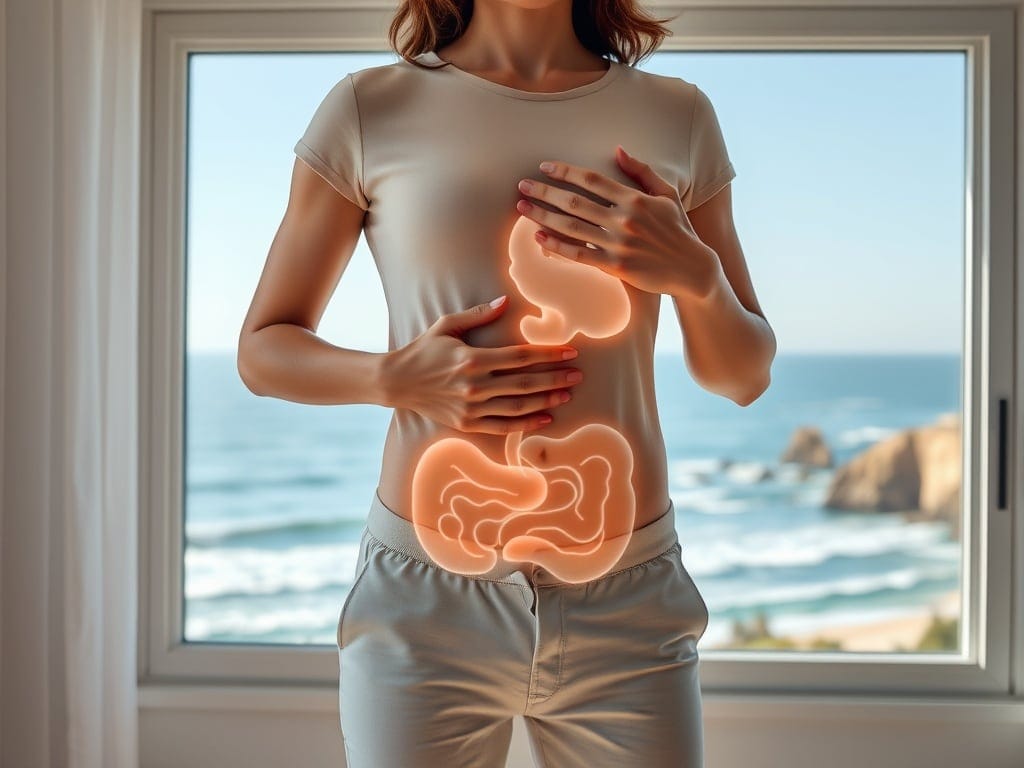
If you have ever felt anxious, unable to eat, or desperate for sugar during withdrawal or early sobriety, you have already felt part of the gut-brain connection. The gut has its own nervous system and communicates with the brain through the vagus nerve, immune pathways, and chemical messengers involved in mood regulation.
The microbiome is the community of bacteria and other microbes living in the digestive tract. In a healthy state, that system helps with digestion, vitamin production, immune regulation, and protection of the gut lining. It also appears to play a role in how the body manages inflammation and how the brain responds to stress.
Alcohol and drugs can disturb this system in several ways. They can irritate the digestive tract, alter appetite, increase inflammation, reduce bacterial diversity, and interfere with nutrient absorption. They can also make existing depression, trauma symptoms, or anxiety feel more intense.
This is one reason integrated care matters. If someone is trying to stop drinking or using while also dealing with panic, low mood, insomnia, trauma, or emotional volatility, the clinical team has to look at the full picture. The brain is involved. The body is involved too.
How substance use disrupts microbiome health
Different substances affect the body differently, but many of them create similar downstream problems. The body is pushed out of balance. Sleep becomes erratic. Eating patterns break down. Digestion suffers. Stress hormones stay elevated. The result is often a nervous system that feels raw and a gut that is no longer functioning well.
Common patterns seen in people entering treatment
People entering treatment often show common patterns: loss of appetite or chaotic eating habits, heavy reliance on sugar, caffeine, or processed foods, bloating, nausea, reflux, constipation, or diarrhea, blood sugar swings that worsen irritability and cravings, vitamin and mineral deficiencies, inflammation that may affect mood and energy.
Alcohol can be especially hard on the digestive system and is associated with damage to the gut lining, poor nutrient absorption, and changes in the microbiome. Opioids often slow digestion and contribute to severe constipation and abdominal discomfort. Stimulants can suppress appetite for long periods, leading to deep depletion. Benzodiazepines can affect appetite, sleep quality, and energy regulation.
When people say they do not feel like themselves in early sobriety, this is part of what they mean. The body has been trying to compensate for a long time. Once the substance is removed, the underlying instability becomes impossible to ignore.

The connection between gut health, cravings, and mental wellness
Cravings are not just psychological. They are shaped by biology, habit, memory, stress, and physical imbalance. If your blood sugar is crashing, your sleep is poor, your stomach is unsettled, and your body is inflamed, cravings often hit harder. That does not mean you are weak. It means your system is still dysregulated.
Microbiome health may affect cravings recovery in several ways. First, the gut helps influence inflammation, and inflammation has been linked in research to depression and other mental health symptoms. Second, the gut plays a role in producing and regulating compounds involved in mood and stress response. Third, poor digestive health can make it harder to absorb nutrients the brain needs to function well.
When your body is underfed, inflamed, and overstressed, staying steady becomes harder. You may feel more impulsive, more hopeless, more emotionally reactive, and less able to use the coping skills you are learning in therapy.
This is why nutrition in recovery is not about dieting or eating perfectly. It is about helping the brain and body become more predictable again. Sometimes that starts with very basic goals: regular meals, enough protein, enough fluids, fewer blood sugar spikes, and foods that do not aggravate the digestive system.
What nutritional therapy can actually do in addiction treatment
Nutritional therapy is not a replacement for evidence-based care. It works best as part of a larger treatment plan that includes therapy, psychiatry, and medical oversight. But when it is done thoughtfully, it can support stabilization in ways people feel quickly.
A strong nutrition plan in addiction treatment may help with:
- more stable energy throughout the day
- fewer sharp hunger swings that mimic cravings
- better concentration and clearer thinking
- improved sleep quality
- less digestive distress
- support for mood regulation during early recovery
Whole-food meals matter here. So does consistency. People arriving with chaotic eating patterns and alcohol-heavy diets often have bodies that no longer regulate well. Structured meals can help rebuild that trust. Protein supports neurotransmitter production and satiety. Complex carbs help stabilize energy. Healthy fats matter for brain function. Fiber helps feed beneficial gut bacteria. Hydration affects everything from cognition to mood to detoxification.
At Seasons in Malibu, luxury rehab nutrition is not treated like an afterthought. Quality meals prepared with care can make a real difference for clients who are physically depleted, emotionally fragile, and trying to regain a sense of normalcy. Good food does not cure addiction. It does help create conditions where healing is more possible.
Can probiotics and gut-focused support help?
They may help, but they should be used thoughtfully. Probiotics are supplements or foods that contain beneficial bacteria. Some research suggests certain probiotic strains may support gut barrier function, immune balance, and even aspects of mood. There is also growing interest in prebiotics, which are fibers that feed beneficial bacteria, and fermented foods such as yogurt, kefir, kimchi, and sauerkraut.
Still, this is not one-size-fits-all. A person with severe digestive symptoms, food sensitivities, alcohol-related gut irritation, or a history of eating disorder behaviors may need a more individualized plan. Throwing supplements at the problem is rarely enough. The foundation is still medical evaluation, enough calories, balanced meals, and a treatment plan that accounts for both addiction and mental health.
For some people, gut-focused support may include:
- gradually increasing fiber from whole foods
- adding probiotic-rich foods if tolerated
- addressing dehydration and electrolyte imbalance
- replacing key nutrients when deficiencies are suspected
- reducing foods that worsen digestive distress during early stabilization
The important point is this: the body needs repair, not punishment. Many people come into treatment feeling ashamed of how they have been living. Nutrition work should never reinforce that shame. It should help you feel stronger, calmer, and more able to participate in recovery.
Why this matters even more in dual diagnosis care
If you are dealing with both substance use and mental health symptoms, the gut-brain connection becomes even more relevant. Depression can affect appetite and food choices. Anxiety can cause nausea, stomach pain, or diarrhea. Trauma can keep the nervous system in a constant state of threat, which changes digestion and inflammatory response. Poor sleep worsens all of it.
That is why treatment needs to be integrated. At Seasons in Malibu, clients can receive psychiatric care, trauma-informed therapy, and individualized clinical support in the same setting. Programs such as mental health treatment and addiction care are designed to work together, not in separate silos.
When a person begins eating regularly, sleeping more consistently, and getting help for trauma or depression, cravings often become more understandable. They may not disappear overnight, but they stop feeling so random. Patterns start to emerge. That gives the treatment team something concrete to work with.
What a recovery-supportive eating pattern looks like
There is no single perfect recovery diet. Anyone claiming otherwise is oversimplifying. But there are patterns that tend to support stability better than others.
In early recovery, the goal is regulation, not restriction. A helpful eating pattern includes regular meals, protein, high-quality carbohydrates, healthy fats, and foods that are easy to digest.
A practical approach often includes:
- eating at regular intervals instead of waiting until you crash
- including protein with meals and snacks
- using whole grains, fruit, beans, and vegetables for steadier energy when tolerated
- drinking enough water throughout the day
- limiting extreme sugar swings when possible without turning food into a source of fear
- working with clinicians if digestive issues, medication effects, or eating disorder concerns are present
This kind of structure can sound simple. Sometimes it is not. For someone newly sober, even sitting down for breakfast can feel unfamiliar. The point is not to perform wellness. The point is to help the body stop living in crisis.
What the research says, and what it does not say
Research on gut health and addiction is still developing but shows promise.
You can explore this research through searches on gut microbiome and substance use disorder in scientific journals.
What the research does not say is that probiotics or a clean diet can replace treatment. Addiction changes the brain, behavior, and nervous system in ways that usually require skilled clinical care. If trauma, anxiety, depression, or bipolar symptoms are present, those need direct care too. Nutrition is powerful, but it works best when it is part of something larger and more structured.
Frequently Asked Questions
Can gut health really affect addiction cravings?
It can. Cravings are shaped by many factors, but gut disruption, blood sugar instability, inflammation, and poor nutrition can make urges feel stronger and harder to tolerate.
What is the best diet for addiction recovery?
There is not one best diet for everyone. In most cases, the most helpful approach is regular meals, enough protein, fiber-rich whole foods, hydration, and a plan adjusted to your medical and mental health needs.
Should people in recovery take probiotics?
Some people may benefit, but probiotics are not a cure-all. They are most useful when added to a broader plan that includes medical oversight, balanced nutrition, and treatment for addiction and co-occurring mental health conditions.
Why does nutrition matter in dual diagnosis treatment?
Mood, stress tolerance, sleep, and concentration are affected by both mental health symptoms and physical depletion. Nutrition can support stabilization, which makes therapy, medication management, and daily coping skills easier to use.
If you or someone you love is struggling with substance use and mental health symptoms, it may help to look beyond the obvious symptoms and ask what the body has been carrying too. At Seasons in Malibu, addiction treatment addresses the whole person. If you want to talk through what that could look like, reach out to start the conversation.
