Opioids rank among the most addictive substances known to modern medicine, creating a powerful grip on the brain’s reward system that can develop with alarming speed. At Seasons in Malibu, we’ve witnessed firsthand how this class of drugs—from prescription painkillers to illicit fentanyl —can transform lives in a matter of weeks, making understanding their addictive potential crucial for anyone concerned about substance use disorders.
The Neuroscience Behind Opioid Addiction
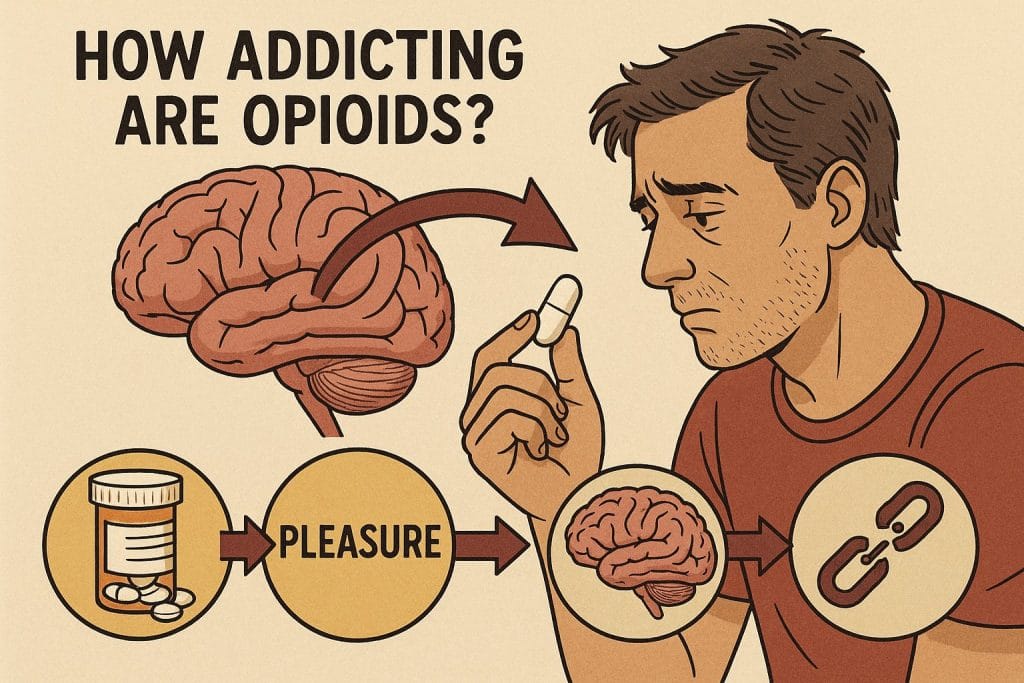
What makes opioids so dangerously addictive lies in their direct interaction with the brain’s fundamental reward circuitry. When someone takes an opioid—whether it’s oxycodone prescribed after surgery, heroin, or synthetic fentanyl—these substances bind to specialized mu-opioid receptors throughout the nervous system. This binding triggers a massive release of dopamine, the brain’s primary pleasure chemical, creating sensations of intense euphoria, profound pain relief, and deep sedation.
Unlike natural rewards that gradually increase dopamine levels, opioids flood the brain with this neurotransmitter, creating an artificial high that the brain quickly learns to crave. This rapid reinforcement mechanism is what separates opioids from many other addictive substances. The brain essentially rewires itself around the expectation of this chemical reward, making the drug feel as necessary as food or water for survival.
Tolerance and Physical Dependence
The addictive cycle accelerates through two interconnected processes that develop remarkably quickly:
- Tolerance: The brain adapts to opioid presence by reducing receptor sensitivity and number, requiring progressively higher doses to achieve the same effect. What started as a single pill can escalate to multiple pills within weeks.
- Physical Dependence: The body becomes so accustomed to opioid presence that it can no longer function normally without them. Withdrawal symptoms—including nausea, severe anxiety, muscle aches, sweating, and intense cravings—can begin within just 6-12 hours of the last dose.
This combination creates a vicious cycle where individuals continue using not just to feel good, but to avoid feeling terrible. At our Malibu treatment center, we understand that breaking this cycle requires comprehensive medical support and evidence-based therapeutic interventions.
The Scope of Opioid Addiction in America
The statistics surrounding opioid addiction paint a sobering picture of this epidemic’s reach. As of 2023, approximately 8.90 million Americans aged 12 and older—representing 3.2% of the adult population—abused opioids, including illicit fentanyl and prescription medications. This translates to roughly 80,000 people struggling with opioid misuse every single day.
The addiction crisis manifests most tragically in overdose statistics. In 2022, opioids were involved in 75.6% of all overdose deaths, claiming 79,358 lives. The total drug overdose death toll peaked at 107,941 that year, representing a rate of 32.6 deaths per 100,000 Americans—the highest in recorded history.
Recent Trends and Hope for Recovery
While these numbers remain alarming, recent data offers cautious optimism. Overdose deaths have declined significantly:
| Year | Total Overdose Deaths | Rate per 100,000 | Opioid-Involved Deaths |
|---|---|---|---|
| 2022 | 107,941 | 32.6 | ~80,000 |
| 2023 | 105,007 | 31.3 | 79,358 |
| 2024 | 79,384 | 23.1 | 54,045 |
This represents a remarkable 26.2% reduction in total overdose deaths from 2023 to 2024, with synthetic opioid deaths dropping 35.6% during the same period. Natural and semisynthetic opioid deaths fell 20.7%, while heroin-related fatalities decreased 33.3%.
These improvements likely reflect expanded access to naloxone (the overdose-reversal medication), increased awareness, and enhanced treatment availability—including evidence-based programs like those we provide at Seasons in Malibu.
Who Is Most Vulnerable to Opioid Addiction?
Opioid addiction doesn’t discriminate, but certain populations face heightened risk:
- Young adults and middle-aged individuals: Those in their 20s through 50s experience the highest rates of opioid-related overdoses
- Men: Males consistently show higher overdose rates than women, though the gap has been narrowing
- People with chronic pain: Long-term prescription opioid use for pain management creates addiction risk, even when medications are taken as directed
- Individuals with mental health conditions: Co-occurring disorders like depression, anxiety, or PTSD significantly increase vulnerability
- Those with previous substance use: Prior addiction to any substance elevates opioid addiction risk
The Prescription-to-Addiction Pipeline
The current opioid epidemic has roots in the late 1990s when pharmaceutical companies aggressively marketed prescription painkillers as safe and non-addictive. Healthcare providers, encouraged to treat pain as “the fifth vital sign,” dramatically increased opioid prescribing. This well-intentioned approach to pain management inadvertently created millions of new opioid users.
As prescribing practices tightened in response to growing addiction concerns, many individuals dependent on prescription opioids transitioned to illicit sources. Heroin became a cheaper alternative, and more recently, illegally manufactured fentanyl—50 to 100 times more potent than morphine—has flooded the drug supply, accounting for 69.3% of opioid-related deaths in 2023.

The Devastating Impact Beyond the Individual
Opioid addiction creates ripples that extend far beyond the person struggling with substance use:
- Economic burden: The opioid crisis costs the United States approximately $1.5 trillion annually in healthcare expenses, criminal justice costs, lost productivity, and social services.
- Neonatal impact: Babies born to mothers using opioids often experience neonatal opioid withdrawal syndrome, affecting 5.3 to 35.8 per 1,000 births across different states in 2020.
- Family disruption: Addiction strains relationships, contributes to divorce, and can lead to loss of custody for parents
- Community effects: High addiction rates strain emergency services, healthcare systems, and social support networks
Polysubstance Use: A Compounding Danger
Modern opioid addiction rarely exists in isolation. Approximately 60% of recent overdose deaths involve multiple substances, with cocaine and methamphetamine commonly appearing alongside opioids. This polysubstance use dramatically increases overdose risk, as different drugs interact in unpredictable and often lethal ways.
The combination of opioids with benzodiazepines (anxiety medications like Xanax or Valium) proves particularly dangerous, as both depress respiratory function. Similarly, mixing opioids with stimulants like cocaine creates conflicting signals in the body that can overwhelm critical systems.
Why Professional Treatment Is Essential
Given opioids’ profound addictiveness and the severe withdrawal symptoms they produce, attempting to quit without professional support is not only extremely difficult but potentially dangerous. At Seasons in Malibu, we provide comprehensive, evidence-based treatment that addresses both the physical and psychological aspects of opioid addiction.
Our Approach to Opioid Addiction Treatment
We recognize that every person’s journey with opioid addiction is unique. Our treatment philosophy centers on:
- Medical detoxification: Safely managing withdrawal symptoms under 24/7 medical supervision, using medications when appropriate to ease discomfort and reduce cravings
- Evidence-based therapies: Cognitive-behavioral therapy, dialectical behavior therapy, and other proven approaches that address the psychological roots of addiction
- Medication-assisted treatment: When clinically appropriate, medications like buprenorphine or naltrexone can significantly improve recovery outcomes
- Holistic healing: Incorporating mindfulness, nutrition, exercise, and other wellness practices that support overall recovery
- Dual diagnosis treatment: Addressing co-occurring mental health conditions that often accompany opioid addiction
- Aftercare planning: Developing robust relapse prevention strategies and connecting clients with ongoing support resources
Our serene Malibu location provides the peaceful, supportive environment necessary for healing, away from the triggers and stresses that often contribute to continued substance use.

Understanding Risk Doesn’t Mean Avoiding Necessary Pain Treatment
While opioids carry significant addiction risk, they remain valuable tools for managing severe acute pain, such as post-surgical recovery or cancer-related pain. The key lies in informed use:
- Take opioids exactly as prescribed, never increasing doses without medical consultation
- Use the lowest effective dose for the shortest necessary duration
- Store medications securely and dispose of unused pills properly
- Discuss non-opioid pain management alternatives with your healthcare provider
- Be honest about personal or family history of addiction when considering opioid prescriptions
- Monitor for signs of developing dependence, including thinking about the medication between doses or feeling anxious when supplies run low
The Path Forward: Hope and Recovery
Despite their powerful addictive potential, recovery from opioid addiction is entirely possible. The recent decline in overdose deaths demonstrates that expanded access to treatment, harm reduction strategies, and increased public awareness are making a difference.
At Seasons in Malibu, we’ve witnessed countless individuals reclaim their lives from opioid addiction. Recovery requires courage, commitment, and comprehensive support, but it represents a realistic and achievable goal. The brain’s remarkable neuroplasticity—the same property that allowed addiction to develop—also enables healing and the formation of new, healthier neural pathways.
Taking the First Step
If you or someone you love is struggling with opioid addiction, know that help is available and recovery is possible. The addictive power of opioids means that willpower alone is rarely sufficient—professional treatment provides the medical, psychological, and social support necessary for lasting recovery.
We encourage anyone concerned about opioid use to reach out for a confidential consultation. Early intervention significantly improves outcomes, and no one should face addiction alone. Our compassionate team at Seasons in Malibu stands ready to provide the evidence-based care and supportive environment that makes recovery possible.
Conclusion
Opioids represent one of the most addictive classes of substances due to their powerful effects on the brain’s reward system, rapid development of tolerance and physical dependence, and severe withdrawal symptoms. The statistics—with 8.90 million Americans affected and tens of thousands of lives lost annually—underscore the devastating scope of this epidemic.
However, the recent significant declines in overdose deaths offer hope that comprehensive approaches combining treatment access, harm reduction, and public education can turn the tide. Understanding opioids’ addictive potential is the first step toward prevention, early intervention, and ultimately, recovery.
At Seasons in Malibu, we remain committed to providing the highest quality, evidence-based treatment for opioid addiction. If you’re ready to begin your recovery journey, we’re here to help every step of the way.
Sources
- https://drugabusestatistics.org/opioid-epidemic/
- https://www.shadac.org/opioid-epidemic-united-states
- https://www.cdc.gov/nchs/products/databriefs/db549.htm
- https://www.cdc.gov/overdose-prevention/about/index.html
- https://www.ama-assn.org/public-health/behavioral-health/time-decisive-action-substance-use-disorder-treatment
- https://www.paho.org/en/news/14-1-2026-drug-use-disorders-growing-public-health-concern-americas-paho-study-finds
- https://nida.nih.gov/research-topics/trends-statistics/overdose-death-rates
- https://www.hhs.gov/opioids/statistics/index.html
- https://www.aha.org/news/headline/2026-01-15-overdose-deaths-fell-nearly-21-2025
