
Key Takeaways
- Your gut microbiome can affect mood, stress response, sleep, inflammation, and cravings, all of which matter in addiction recovery.
- Alcohol and drug use can disrupt gut bacteria and damage the gut lining, which may worsen anxiety, depression, and emotional volatility in early sobriety.
- The gut-brain axis is a real biological communication system linking the digestive tract, immune system, and brain.
- Supporting gut health through nutrition, sleep, therapy, medical care, and reduced inflammation may help strengthen mental wellness during treatment.
- Psychobiotics, probiotics, and other microbiome-focused approaches are being studied, but they work best as part of full clinical care, not as a stand-alone fix.
- Lasting recovery often depends on treating the whole person, including the body systems that substance use has disrupted.
Your gut microbiome can influence addiction recovery in a very practical way. When the balance of bacteria in the gut is disrupted by alcohol or drug use, the effects can reach far beyond digestion. Research suggests those changes may affect anxiety, cravings, mood regulation, sleep, inflammation, and stress tolerance, which are some of the exact problems people face in early sobriety.
That does not mean gut bacteria are the only reason recovery feels hard. But it does mean gut health may be one part of the picture that gets missed. If you are trying to stay sober and you feel raw, restless, depressed, or constantly triggered, part of what you are feeling may be tied to the way substance use changed the gut-brain axis. That is the communication network connecting the digestive system and the brain.
At Seasons in Malibu, treatment looks at the full reality of addiction, including mental health, trauma, physical stress, and the body systems affected by substance use. For many people, real healing starts when those pieces are treated together instead of in isolation.
What the gut microbiome actually does
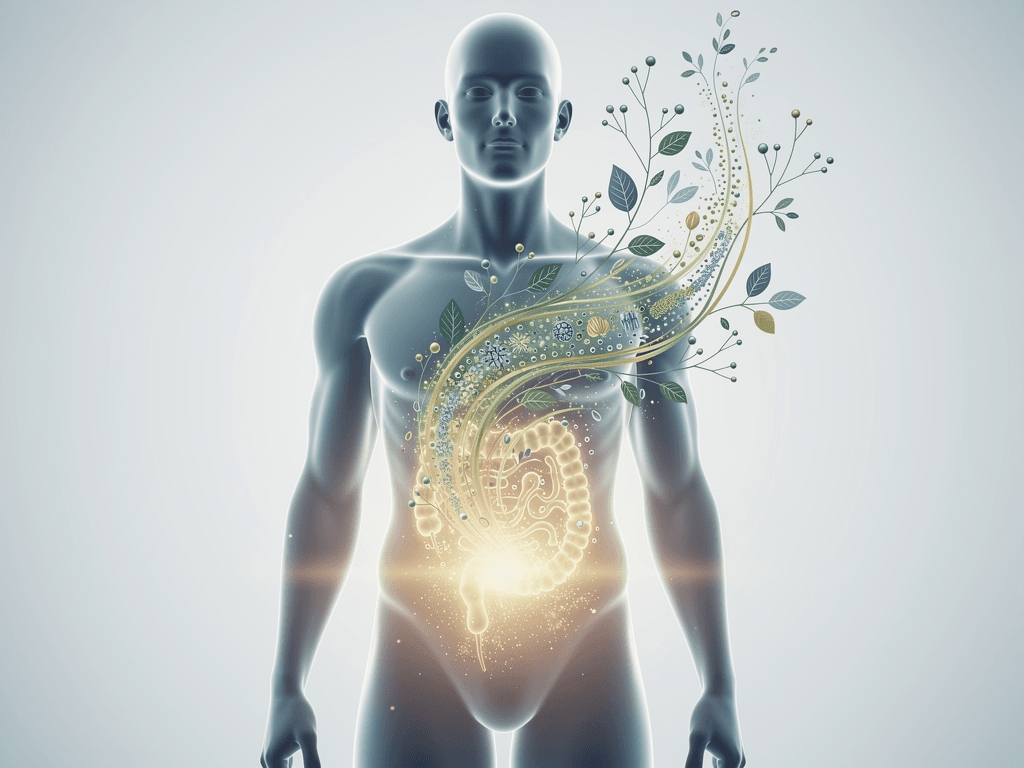
The gut microbiome is the collection of bacteria, fungi, and other microorganisms living in your digestive tract. Some people hear that and think it sounds abstract. It is not. These microbes help break down food, produce certain vitamins, influence inflammation, and interact with the nervous system and immune system every day.
They also help shape brain function through the vagus nerve, immune signaling, and microbial byproducts. When the gut is stable, that communication is more regulated. When disrupted, the brain feels the effects.
This is part of why people in early addiction recovery often describe symptoms that seem to come from everywhere at once. Their thoughts are racing. Their stomach is off. Sleep is broken. Anxiety is high. They feel emotionally thin-skinned. These symptoms are not just “in their head.” The body is trying to find equilibrium again.
How substance use damages gut health
Different substances affect the gut in different ways, but the pattern is familiar. Chronic alcohol use can irritate the gastrointestinal tract, alter bacterial balance, and increase intestinal permeability, sometimes called a “leaky gut.” Opioids can slow digestion dramatically and change the gut environment. Stimulants can suppress appetite and disrupt sleep, both of which indirectly affect the microbiome. Poor nutrition, dehydration, stress, and withdrawal make things worse.
Over time, this can create a cycle. Substance use damages the gut. The damaged gut contributes to more inflammation and unstable mood. That instability can increase cravings or lower your ability to tolerate distress. Then the urge to use becomes stronger.
Research has linked the gut-brain axis to anxiety, depression, and stress reactivity, all of which are common in substance use disorders. If you want to look at the current science, PubMed has extensive research on the gut-brain axis and substance use disorder and on the microbiome in addiction recovery.
Common ways gut disruption can show up in sobriety
- heightened anxiety or a constant sense of unease
- stronger stress reactions to everyday problems
- sleep disruption and poor sleep quality
- digestive symptoms such as bloating, constipation, nausea, or diarrhea
- mood swings, irritability, or low frustration tolerance
- fatigue and brain fog
- intense cravings, especially when paired with emotional distress
None of these symptoms prove that the gut is the cause. Recovery is more complicated than that. But the overlap is too significant to ignore.
Why cravings and anxiety can get worse when the gut is off
In early sobriety, your nervous system is already under pressure. The brain is adjusting to life without the substance it came to rely on. Stress hormones may be elevated. Sleep may be poor. Trauma symptoms may start surfacing once substances are gone. If the gut microbiome is also imbalanced, that can add another layer of strain.
One reason is inflammation. A disrupted gut can increase inflammatory signaling in the body, and inflammation has been associated with mood symptoms and changes in brain function. Another reason is neurotransmitter activity. Gut microbes are involved in processes related to serotonin, dopamine, and GABA, which play roles in reward, calm, and emotional regulation. When that system is dysregulated, people may feel more anxious, more impulsive, or less able to settle themselves without using.
This matters because cravings are not just about wanting a substance. Often they are about wanting relief. If your body is sending signals of distress all day long, the brain may remember the fastest way it used to numb that distress.
That is one reason strong clinical support matters so much. At Seasons in Malibu’s dual diagnosis treatment program, addiction and mental health are treated together, because cravings rarely exist apart from anxiety, depression, trauma, or emotional overload.
The gut-brain axis is not a wellness trend
It is easy to hear terms like gut-brain axis and assume this is a lifestyle trend dressed up as science. It is not. The phrase refers to a real network of communication between the central nervous system, the enteric nervous system in the gut, the immune system, hormones, and the microbes living in the intestines.
Researchers are actively studying how gut bacteria may shape behavior, stress sensitivity, and psychiatric symptoms. There is growing interest in whether microbiome changes can influence substance use risk, withdrawal intensity, and relapse vulnerability. The science is still developing, but the central idea is well grounded. What happens in the gut does not stay in the gut.
This matters for mental wellness. Many people entering treatment feel disconnected from their body. They may think every symptom is personal failure. Sometimes it helps to understand the body has been under assault, and healing takes time because multiple systems recover at once.
What psychobiotics are, and what they are not
Psychobiotics are probiotics or related compounds being studied for their potential effects on mental health through the gut-brain axis. The idea is that certain bacterial strains may influence mood, stress response, or cognitive function. Prebiotics, which feed beneficial bacteria, are also part of this conversation.
This is promising, but it is not magic. No probiotic capsule can replace detox, therapy, psychiatric care, trauma treatment, or relapse prevention planning. What these approaches may do is support the biological conditions that make recovery more stable.
Current research is looking at how microbiome-targeted interventions might help reduce anxiety, support mood, and improve stress resilience. If you want a broad view of that literature, PubMed has a useful body of research on psychobiotics for anxiety, depression, and the microbiome.
Approaches being studied or used to support microbial balance
- Probiotic supplementation with specific bacterial strains
- Prebiotic fibers that feed beneficial gut bacteria
- nutrition plans rich in whole foods and fermented foods when medically appropriate
- sleep restoration, which affects both the microbiome and stress regulation
- stress reduction practices that calm the nervous system
- medical treatment for gastrointestinal issues that may have gone untreated during active addiction
The important part is context. A person in withdrawal needs medical care first. A person with severe depression needs psychiatric support. A person with unresolved trauma needs trauma-informed therapy. Microbiome support makes the most sense inside a broader treatment plan.
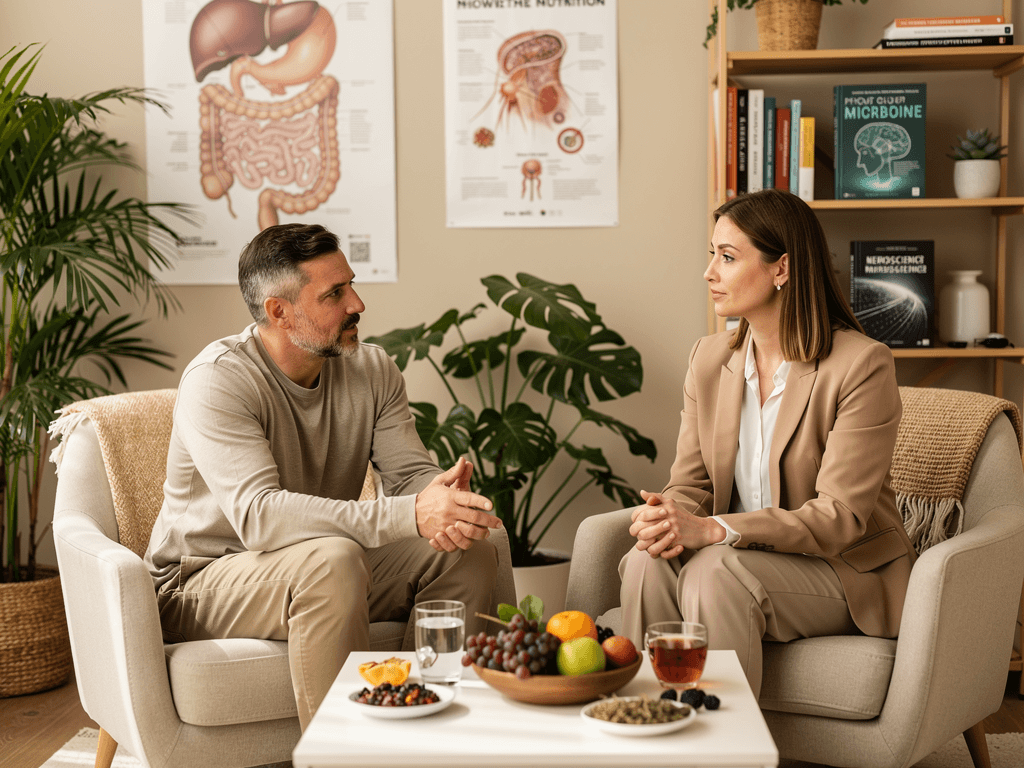
What supporting gut health can look like in real recovery
Supporting gut health in addiction recovery is usually less glamorous than social media makes it sound. It often starts with basics that the body has been missing for a long time. Regular meals. Enough protein. Hydration. Fiber. Reduce or remove alcohol and drug exposure. Better sleep. Lower chaos. Treatment for underlying anxiety and depression. A nervous system that is no longer in a constant state of alarm.
That is one reason residential care can be helpful. In a structured setting, you eat consistently, sleep regularly, and have space to notice what your body is doing and support it instead of overriding it.
At Seasons in Malibu’s residential treatment program, clients receive individualized care that addresses both the psychological and physical impact of addiction. That includes therapy, psychiatry, structured support, and an environment where the body has a real chance to settle.
The connection between food, gut health, and mental wellness
Food is not a cure for addiction. During active substance use, people eat erratically and skip meals, leaving the body depleted in ways that affect mood and cognition.
When nutrition improves, some people notice that their anxiety becomes a little less jagged. Their energy evens out. Their digestion starts working again. They can think more clearly. They feel a little more emotionally durable. Those changes do not solve trauma or erase cravings, but they can make therapeutic work more possible.
In that sense, gut health is closely tied to mental wellness. Not because a perfect diet fixes everything, but because the brain functions better when the body is less inflamed, more nourished, and more regulated.
Why this matters for long-term addiction recovery
Early sobriety is often about getting through the day without using. Long-term addiction recovery asks for more than abstinence. It asks for stability. Emotional regulation. Better stress tolerance. The ability to stay present in your own life without constantly reaching for escape.
If the gut microbiome influences stress response, mood, and craving intensity, then supporting it may be one more way to make recovery more durable. Not easy. Just more durable.
This is the larger point. Recovery is not just about removing a substance. It is about repairing the systems that substance use disrupted. The brain is one of them. The gut is another. So is the nervous system. So is the person’s capacity for trust, connection, and self-regulation.
When treatment takes all of that seriously, people often stop feeling like they are failing at recovery. They start understanding what recovery is actually asking the body and mind to do.
Frequently Asked Questions
Can poor gut health increase cravings in recovery?
It may. A disrupted gut microbiome can affect stress response, inflammation, mood, and anxiety, which can all make cravings feel more intense or harder to manage.
Do probiotics help with addiction recovery?
They may help support gut balance and mental wellness for some people, but they are not a stand-alone treatment for addiction. They work best as one part of a full treatment plan that includes therapy, medical care, and relapse prevention support.
How does alcohol affect the gut microbiome?
Chronic alcohol use can irritate the digestive tract, disrupt healthy gut bacteria, and increase intestinal permeability. Those changes may contribute to inflammation, mood instability, and discomfort during sobriety.
What is the gut-brain axis?
The gut-brain axis is the two-way communication system connecting the digestive tract and the brain through nerves, hormones, immune activity, and microbial signals. It helps explain why digestive health can affect mood, stress, and mental wellness.
Healing the gut is not separate from healing the person
If you are in recovery and your body feels unpredictable, there may be more going on than willpower. Substance use can disrupt the systems that regulate calm, sleep, digestion, and emotional balance. Those systems can heal, but they usually need time and real support.
At Seasons in Malibu, treatment is built around that reality. If you want to understand what care could look like for you or someone you love, you can reach out through get help now. The conversation is private.
