Key Takeaways
- Wearable devices can help treatment teams spot early relapse risk by tracking changes in sleep, stress, movement, and heart rate variability.
- Biometric monitoring does not replace therapy or human judgment. It gives clinicians another layer of real-time information.
- Heart rate variability, resting heart rate, and sleep disruption can signal nervous system strain that often shows up before a person says they are struggling.
- In a luxury rehab setting, wearable technology can be integrated into highly individualized care, private monitoring, and faster clinical response.
- At Seasons in Malibu, this kind of data fits best when it supports dual diagnosis treatment, one-on-one therapy, and strong relapse prevention planning.
Wearable health devices are changing relapse prevention because they can detect subtle physical shifts that often happen before a return to substance use. A smartwatch cannot tell a clinician with certainty that relapse is coming. What it can do is show patterns that matter, like poor sleep for several nights in a row, a drop in heart rate variability, rising stress markers, or sudden changes in activity. In addiction treatment, those changes can act like an early warning system.
In a luxury rehab setting like Seasons in Malibu, wearable technology strengthens relapse prevention by giving clinicians real-time data. When biometric monitoring is used well, it helps a treatment team notice risk earlier and adjust care before a crisis builds, without making treatment feel cold or mechanical.
Research has linked substance use disorders with changes in stress regulation, sleep, and autonomic nervous system function. Studies on heart rate variability and substance use disorder and sleep and relapse in addiction support this connection. Together, these measures reveal patterns that deserve attention.

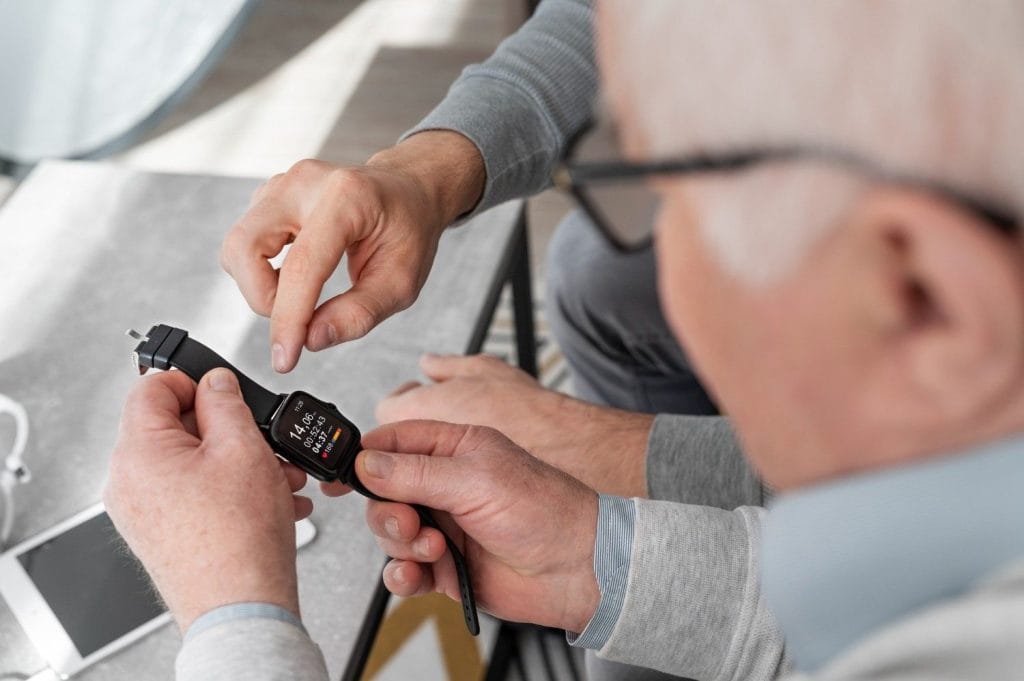
A client at a luxury rehab in Malibu wearing a wearable health device during recovery
Why relapse risk often shows up in the body first
Many people think relapse begins with the first drink or drug use. Clinically, it usually starts earlier. It often begins with dysregulation. Sleep gets worse. Irritability rises. Anxiety becomes harder to manage. The body stays tense. The mind speeds up. A person may not even have words for what is happening yet, but their nervous system is already under strain.
This is one reason wearable technology in drug rehab has drawn so much interest. Devices worn on the wrist or finger can collect passive data throughout the day and night. That includes heart rate, sleep duration, sleep fragmentation, activity levels, and in some cases skin temperature or electrodermal activity. A single bad night does not mean much. A pattern over time can mean a great deal.
For someone in early recovery, that pattern may reveal:
- Mounting anxiety before the person reports it openly
- Decreased sleep quality, which is strongly tied to emotional instability and cravings
- Physiological stress after family conflict, trauma activation, or exposure to triggers
- Withdrawal from normal routines, shown through reduced movement or irregular daily rhythms
- An overactivated nervous system that can increase impulsivity
In other words, the body often speaks first.
What heart rate variability can tell clinicians
Heart rate variability, often shortened to HRV, refers to the variation in time between heartbeats. It is one window into how the autonomic nervous system is functioning. In simple terms, HRV can reflect how flexible or strained the body’s stress response is. Higher HRV is often associated with better recovery and nervous system adaptability. Lower HRV can suggest stress, fatigue, poor recovery, or emotional overload.
In heart rate variability addiction treatment, clinicians are not looking at HRV as a magic score. They are looking at it in context. If a client’s HRV drops sharply while sleep worsens and daytime stress markers rise, that combination may point to a growing relapse risk. It may also signal trauma activation, depression, anxiety, or physical exhaustion. That is why biometric data works best in a dual diagnosis setting, where addiction and mental health are treated together.
At integrated dual diagnosis care, HRV can help support conversations like these: Are cravings increasing? Has panic been building at night? Is unresolved trauma showing up physically? Has medication changed? Is the client pushing too hard in work or family contact?
Those are better questions than simply asking, “Are you thinking about using?” Sometimes the honest answer is “not really,” even while the body is showing clear signs of strain.
Sleep disruption is one of the clearest warning signs
Sleep problems are common in early recovery. They are also easy to underestimate. A person might tell themselves they are just adjusting, just stressed, or just tired from treatment. But when poor sleep keeps going, relapse risk tends to rise with it.
Wearables can help track the kind of changes that people often miss or minimize. A client may feel like they slept six hours, but the device may show repeated awakenings, late sleep onset, or low recovery overnight. That matters because sleep disruption affects mood regulation, impulse control, memory, and the ability to tolerate distress the next day.
In a relapse prevention luxury rehab setting, this leads to small but meaningful interventions. A therapist may slow down trauma work. A psychiatrist may review medications through psychiatry services. A case manager may help tighten routines around evening stressors. Good relapse prevention is often quiet, timely, and specific.

A therapist at a luxury treatment center reviewing biometric monitoring data with a client
Stress patterns matter more than isolated events
One of the most useful things about biometric monitoring in addiction recovery is that it can reveal trends instead of snapshots. A person may appear composed in group, engage well in therapy, and still be heading toward trouble. If their wearable data shows persistently elevated stress, shortened sleep, and declining recovery scores over a week or two, the treatment team can look closer.
This is especially helpful for people who have learned to mask distress. Many high-functioning clients do this well. Executives, parents, public figures, and professionals often know how to look fine long after they have stopped feeling fine. In a luxury program, privacy and comfort matter, but so does catching what polished coping can hide.
Patterns that may deserve clinical attention include:
- Several days of elevated resting heart rate without a medical explanation
- A sustained drop in HRV paired with more reported anxiety or irritability
- Worsening sleep after difficult family contact or trauma work
- Sharp changes in activity, including isolation in the room or compulsive overexercise
- Stress spikes at predictable times of day linked to cravings, shame, or external triggers
None of these prove relapse. They do help a clinician intervene sooner, and sooner is often safer.
How luxury rehab programs are integrating wearable technology
In practice, wearable technology in drug rehab is simpler than it sounds. Clients wear a device that collects health data. That information is reviewed alongside therapy notes, psychiatric care, and daily functioning. The goal is not surveillance. The goal is better care.
At Seasons in Malibu, treatment is already built around depth and individual attention. Clients work with doctorate-level primary therapists and a model that addresses both substance use and mental health. You can see more about that clinical structure at our approach. When wearable data is added, it sharpens care rather than flattens it, especially when monitoring is private, consent-based, and reviewed in context alongside clinical presentation.
What this looks like in real life
Imagine a client who has been doing well for two weeks, then their wearable begins showing shorter sleep, more overnight waking, and a steady drop in HRV, with stress markers rising in the late afternoon.
That does not mean they are about to use, but it means something is shifting. A therapist might ask what tends to happen around that time of day. The answer could be grief, dread about a spouse call, work anxiety, or a craving pattern that hits at 5 p.m. and was never fully named. Once identified, the team can adjust treatment, add nervous system regulation work, or revisit a trauma trigger that had stayed in the background. The value is having enough clinical contact and flexibility to respond to what the data shows.
The limits of wearable data
Wearable devices can help, but they can also be misunderstood. Poor sleep may be caused by caffeine, illness, medication changes, or emotional stress unrelated to relapse. Some clients may become overly focused on their numbers, especially if they already struggle with anxiety or compulsive self-monitoring. The best programs use biometric data carefully, keeping the therapeutic relationship at the center. If a person starts feeling watched instead of supported, the tool stops helping.

Evening relapse prevention monitoring through wearable technology at a luxury rehab facility
Why this approach fits dual diagnosis care
Relapse rarely happens in a vacuum. Depression, trauma symptoms, panic, mood instability, shame, and relationship stress all shape risk. That is why biometric monitoring in addiction recovery is most useful in a program that treats the whole clinical picture.
At Seasons in Malibu, care is built around that reality. Many clients are not just dealing with substance use. They are also dealing with trauma, anxiety, depression, or other co-occurring concerns that need equal attention. A drop in HRV or a week of broken sleep may reflect addiction risk, but it may also point to PTSD symptoms, medication side effects, or emotional overload. When clinicians are trained to treat both addiction and mental health, the response can be more accurate and more humane.
That matters because nobody wants their worst moment reduced to a graph on a screen. The graph is just a clue. The person is the focus.
What to look for if you are considering a program that uses wearables
If you are looking at treatment options and see wearable monitoring mentioned, ask how it is actually used. Not every program uses it with the same level of thought or care.
You want to know:
- Who reviews the data and how often
- Whether the monitoring is optional and clearly explained
- How the data is connected to therapy, psychiatry, and case management
- What privacy protections are in place
- Whether the program treats co-occurring mental health issues along with addiction
- How the information is used after discharge, if at all
Those questions tell you more than the device brand ever will.
Frequently Asked Questions
Can a smartwatch predict relapse?
No. A smartwatch cannot predict relapse with certainty. It can detect patterns like worsening sleep, lower heart rate variability, or rising stress that may signal increased risk and help clinicians intervene earlier.
What biometric data is most useful in addiction treatment?
Sleep quality, resting heart rate, activity patterns, and heart rate variability are among the most useful metrics. They can reflect stress load, nervous system strain, and changes in routine that often matter in recovery.
Is wearable technology in drug rehab a replacement for therapy?
No. Wearable data is a support tool, not a replacement for therapy, psychiatry, or human connection. The strongest programs use it to deepen clinical insight, not to automate care.
Why does heart rate variability matter in addiction treatment?
Heart rate variability can offer insight into how the nervous system is handling stress and recovery. When HRV drops alongside poor sleep or rising distress, it may point to a need for added support before a person reaches a crisis point.
The future of relapse prevention is earlier, not harsher
The promise of wearable health devices is not control. It is earlier understanding. In the best luxury rehab programs, technology helps clinicians catch the quiet build before the visible fall. It helps connect the dots between the body, the mind, and behavior. It can make relapse prevention more responsive, more personal, and less dependent on waiting until things get bad enough to notice.
If you want to learn more about treatment that pays attention to both the clinical details and the person living inside them, reach out through get help now when you are ready.
