Key Takeaways
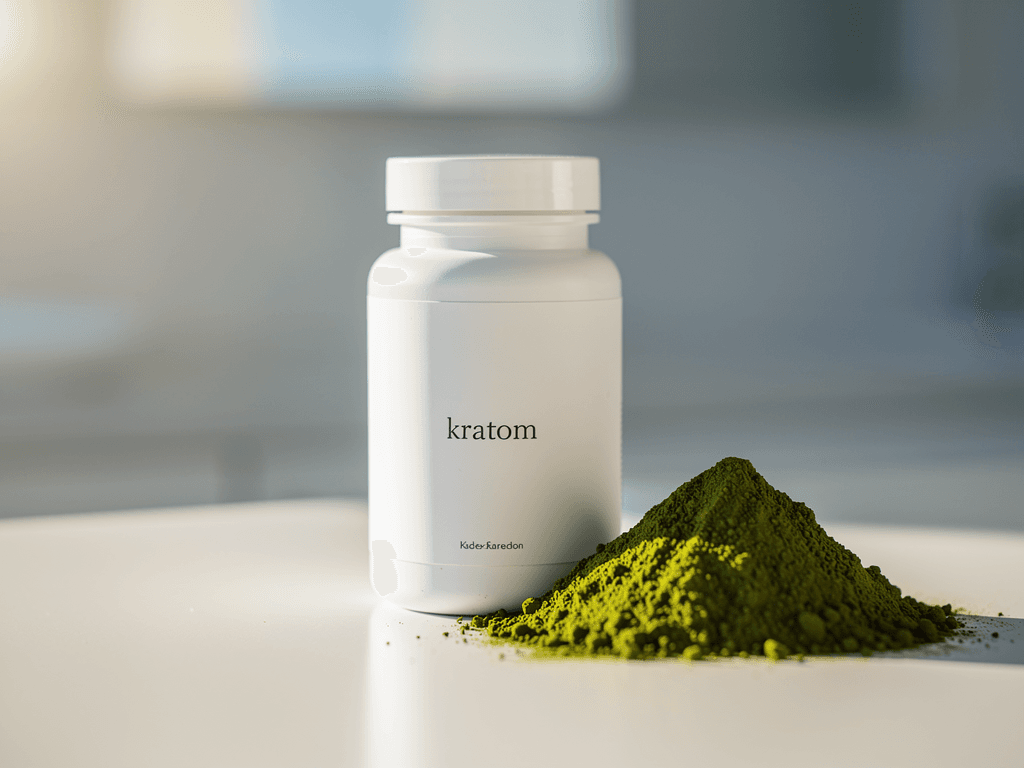
- Yes, you can develop kratom addiction and kratom dependence, even though kratom is sold as a plant-based product.
- Kratom acts on opioid receptors in the brain, which helps explain why it can affect pain, mood, cravings, tolerance, and withdrawal.
- Common kratom withdrawal symptoms can include anxiety, irritability, insomnia, nausea, muscle aches, sweating, and strong urges to use more.
- People often get confused about kratom safety because it is marketed as a natural supplement, but natural does not mean low-risk or non-addictive.
- Treatment for problematic kratom use may include medical support, individual therapy, dual diagnosis care, and a plan for long-term relapse prevention.
Yes, you can get addicted to kratom. Research suggests that regular kratom use can lead to tolerance, cravings, loss of control, and withdrawal symptoms when someone tries to stop. That does not happen to every person who uses it, but it happens often enough that the idea that kratom is harmless is simply not supported by the evidence.
Kratom is especially confusing because it is sold as a plant product for pain, energy, mood, and self-treatment. You might see it in gas stations, smoke shops, vape stores, or online and assume it must be safe. But if you are asking, is kratom safe, the more honest answer is this: it carries real risks, including dependence, side effects, unpredictable potency, and in some cases severe medical or psychiatric complications. The FDA has not approved kratom for any medical use.
If you have started needing more kratom to feel normal, or you feel sick, anxious, or on edge when you cut back, that matters. It may be a sign of kratom dependence, not a lack of willpower.

What kratom is and why people use it
Kratom comes from Mitragyna speciosa, a tree native to Southeast Asia. The leaves contain active compounds, especially mitragynine and 7-hydroxymitragynine, that affect the brain and body in ways that can feel stimulating at lower doses and more sedating or opioid-like at higher doses. Research on these compounds continues, but what is already clear is that kratom is pharmacologically active. It is not just a harmless tea or wellness product.
People use kratom for different reasons, and many of them start with a problem they are trying to solve. Some turn to it for chronic pain. Others are dealing with fatigue, low motivation, anxiety, or depressed mood. Some are trying to manage withdrawal from opioids or other substances. And some are just looking for focus, energy, or a way to take the edge off stress.
That is part of what makes natural supplement addiction so easy to miss at first. The person is not necessarily trying to get high. They may be trying to function, sleep, work, or get through the day without feeling miserable.
Still, intent does not change risk. A substance can become a problem even when it started as self-medication.
How kratom affects the brain
The short version is that kratom interacts with opioid receptors. That does not mean it is identical to heroin, oxycodone, or fentanyl. It does mean there is a biologic reason why some people experience euphoria, pain relief, tolerance, and withdrawal with ongoing use. Reviews in the medical literature have examined kratom’s opioid receptor activity and its abuse potential, including research indexed through PubMed.
When a substance repeatedly activates reward and relief pathways in the brain, the brain adapts. You start needing more kratom to get the same effect. You take it more often than you meant to. You feel off without it. And you keep using it even though it is hurting your sleep, mood, work, relationships, or health.
This is the same basic pattern seen in many substance use disorders. The packaging may look different. The mechanism is still serious.
Can kratom cause addiction?
Yes. Kratom addiction is real, even if it does not look exactly like every other addiction. Some people use kratom occasionally and do not report major problems. Others slide into daily use, escalating doses, secrecy, withdrawal, and failed attempts to quit.
Research and case reports have described patterns consistent with substance use disorder, including tolerance, cravings, continued use despite harm, and physical dependence. The PMC database includes reviews and case literature on kratom misuse, dependence, and withdrawal.
It helps to separate two related ideas. Kratom dependence means your body has adapted to the drug and you may experience withdrawal if you stop. Kratom addiction includes compulsive use, cravings, loss of control, and continued use despite consequences.
A person can have dependence without severe addiction. A person can also have both. Either way, it deserves attention.
Why people get confused about whether kratom is safe
A lot of confusion comes from how kratom is sold. It is marketed as natural. It is easy to buy. It is often framed as a wellness product. Some people use it to avoid stronger opioids. And online testimonials can make it sound simple and low-risk.
But natural does not mean safe. Tobacco is natural. Opium poppies are natural. Plenty of substances that come from plants can still change the brain, stress the body, and create dependence.
Another issue is inconsistent strength. Kratom products vary widely. Different powders, capsules, extracts, and shots can contain very different amounts of active compounds. Some products may also be contaminated or mixed with other substances. That unpredictability raises the risk.
So if you are asking is kratom safe, the answer is not a clean yes or no. It is a psychoactive substance with known dependence potential, known withdrawal symptoms, and quality control problems. That is enough reason to take it seriously.
Kratom side effects that should not be brushed off
Kratom side effects can vary based on dose, product strength, frequency of use, and whether someone is mixing it with other substances. Some effects seem mild at first. That can make it easier to minimize what is happening. Then the dose creeps up, and the picture changes.
- Nausea
- Constipation
- Dry mouth
- Loss of appetite
- Dizziness
- Drowsiness
- Sweating
- Rapid heart rate
- Irritability
- Anxiety
- Insomnia
More serious reactions have also been reported, especially with high doses, concentrated extracts, co-occurring mental health conditions, or mixing kratom with alcohol, benzodiazepines, opioids, or other drugs. Those concerns are one reason people sometimes need a higher level of care than they expected.
Signs you may be dealing with kratom dependence
Dependence usually builds gradually. Most people do not wake up one day and decide to become reliant on kratom. It tends to happen in small steps that start to feel normal.
- You use kratom every day, or multiple times a day
- You need larger amounts than you used to
- You feel anxious, achy, restless, or irritable without it
- You carry it with you to avoid feeling bad
- You have tried to cut down and could not
- Your sleep, mood, money, or relationships are being affected
- You tell yourself it is fine because it is legal or plant-based
If several of those feel familiar, you are not overreacting. That pattern can point to kratom dependence, and sometimes a developing substance use disorder.
What kratom withdrawal symptoms can feel like
Kratom withdrawal symptoms are often described as similar to a milder opioid withdrawal for some people, though severity varies. For others, especially those using high-potency extracts or taking frequent doses, withdrawal can feel intense enough to drive immediate relapse.
- Anxiety
- Restlessness
- Irritability or agitation
- Depressed mood
- Insomnia
- Muscle aches
- Runny nose
- Sweating
- Nausea or stomach upset
- Tremor
- Fatigue
- Strong cravings
Some people describe a rebound effect where the original reason they started using kratom comes back worse for a while. Pain feels sharper. Mood drops hard. Energy crashes. That can make quitting on your own feel like proof that you need the substance, when it may actually be a sign that your nervous system has become dependent on it.
Research on kratom withdrawal symptoms is still growing, but clinical reports and observational studies have documented this pattern often enough that it should not be dismissed. You can explore current findings through PubMed searches on kratom withdrawal.
When kratom use is really masking something deeper
This is where honesty matters. A lot of people using kratom are not just dealing with kratom. They are also dealing with pain, trauma, anxiety, depression, insomnia, burnout, grief, or another substance use issue that never got properly treated.
If that is true for you, stopping kratom is only part of the work. The question is not just how to get it out of your system. The question is what was hurting enough that you needed it in the first place.
At Seasons in Malibu, that is why dual diagnosis care matters. If substance use and mental health symptoms are tangled together, treatment needs to address both. You can learn more about treating co-occurring conditions and how integrated care works in practice.
What treatment for kratom addiction actually looks like
Treatment depends on severity. Some people need medical monitoring during early withdrawal, especially if they are using high doses, taking kratom extracts, mixing substances, or have psychiatric symptoms. Others may not need full detox but still need structured therapy and support because every attempt to quit alone ends the same way.
Effective care often includes a combination of approaches. It starts with an honest assessment of how much kratom you are using, how often, and what else may be involved. A medical evaluation can check for withdrawal risk, sleep disruption, pain issues, and mental health symptoms. Individual therapy helps you understand the triggers, compulsive use patterns, and the function kratom has been serving. Behavioral approaches like cognitive behavioral therapy can identify the thoughts and behaviors that keep the cycle going. Trauma-informed care matters if past trauma, panic, grief, or chronic stress is part of the picture. Relapse prevention planning covers cravings, stress, boredom, pain flare-ups, and social triggers. And aftercare support makes sure progress is not left behind once residential treatment ends.
For some people, a private residential setting is what finally creates enough space to stabilize. Not because luxury is the point, but because constant access to drugs, chaos, and stress makes it hard to hear yourself think. At our addiction treatment center in Malibu, families often turn to when things have escalated, care needs to be both clinically serious and deeply personal.
Seasons in Malibu offers doctorate-level primary therapists, master’s-level case management, and a dual diagnosis model that addresses substance use and mental health at the same time. If you are looking for a Malibu drug treatment center that treats the whole picture, not just the surface behavior, that distinction matters.

What recovery can look like after kratom
Early recovery is often less dramatic than people expect. It can look like sleeping through the night for the first time in months. Eating normally again. Not planning your day around the next dose. Realizing your mood is not actually as stable as you thought, and then finally getting proper help for that.
It can also look messy at first.
You may feel foggy. Irritable. Doubtful. You may miss the short-term relief kratom gave you, even if it was clearly costing you more than it gave. That does not mean treatment is failing. It means your brain and body are adjusting, and the reasons you used are starting to come into view.
Good treatment makes room for that. It does not shame you for missing the thing that helped you cope. It helps you build something stronger in its place.
Frequently Asked Questions
Can you really get addicted to kratom?
Yes. Kratom can lead to tolerance, cravings, compulsive use, and withdrawal, which are all signs that addiction or dependence may be developing.
What are the most common kratom withdrawal symptoms?
Common kratom withdrawal symptoms include anxiety, restlessness, irritability, insomnia, muscle aches, nausea, sweating, and cravings. Severity can vary based on dose, frequency, and product type.
Is kratom safe because it is natural?
No. A product being plant-based does not make it safe. Kratom has active compounds that affect opioid receptors, and products can vary widely in strength and purity.
How do I know if I need treatment for kratom use?
If you cannot cut back, feel sick or distressed without kratom, or your use is affecting your mood, sleep, work, health, or relationships, it is worth talking to a professional. You do not have to wait until things get worse.
Kratom can look harmless right up until it is not. If you are seeing signs of kratom addiction in yourself or someone you love, there is nothing weak about getting help. Seasons in Malibu offers private, individualized care for substance use and co-occurring mental health conditions. If you want to talk through what is happening, you can reach out to Seasons in Malibu and have a real conversation about your options.
