
Key Takeaways
- Psilocybin-assisted therapy is showing real promise for addiction recovery, especially when it is paired with structured psychotherapy and careful medical screening.
- Early studies on psilocybin for alcohol use disorder and other substance use problems suggest it may help reduce cravings, improve insight, and support behavior change.
- Researchers believe psilocybin may affect neuroplasticity and the brain’s default mode network, which could help loosen rigid patterns tied to addiction.
- This is not a stand-alone cure, and it is not appropriate for everyone. The therapeutic setting, clinical team, and follow-up care matter as much as the drug itself.
- Psilocybin remains illegal in many places, and access is still limited. Most people encounter it through research settings or tightly controlled programs, not routine clinical care.
- For people considering psychedelic-assisted treatment, the safest path is treatment with a licensed team that can address both addiction and mental health at the same time.
Psilocybin-assisted therapy may become an important tool in addiction care, but the key word is assisted. The current research does not suggest that psilocybin by itself fixes addiction. What studies do suggest is that, in a controlled setting with psychotherapy before and after the experience, psilocybin can help some people reduce substance use, rethink destructive patterns, and feel more able to make lasting changes.
That matters if you have felt stuck in a cycle of substance use. Researchers are asking whether psilocybin can create enough mental flexibility for therapy to work more deeply. Early findings are encouraging, especially around alcohol use disorder, but this remains an emerging area rather than settled practice.
At Seasons in Malibu, addiction treatment is grounded in clinical rigor, not hype. If you are exploring what newer approaches may mean for your care, it helps to understand what psilocybin is, how it may affect the brain, and why any serious conversation about psychedelic-assisted treatment has to include screening, safety, and evidence-based therapy.
What Psilocybin-Assisted Therapy Is
Psilocybin is a naturally occurring psychedelic compound found in certain mushrooms. In clinical settings, it is studied as part of a structured treatment model that usually includes preparation sessions, one or more monitored dosing sessions, and follow-up therapy to help the person process what came up and translate it into daily change.
That structure is the treatment. This is one of the most important points to understand. The field does not view psilocybin as a casual wellness experience or a shortcut around therapy. In research settings, patients are screened carefully, supported closely, and guided through the psychological meaning of the experience afterward. Without that framework, both the risks and the uncertainty go up.
When people talk about psychedelic therapy recovery, they are usually referring to that full process, not just the psychedelic session itself. For addiction, the goal is not simply to produce an unusual state of consciousness. The goal is to use that state in a clinically useful way, with enough support that insight can turn into action.
How Psilocybin May Work In The Brain
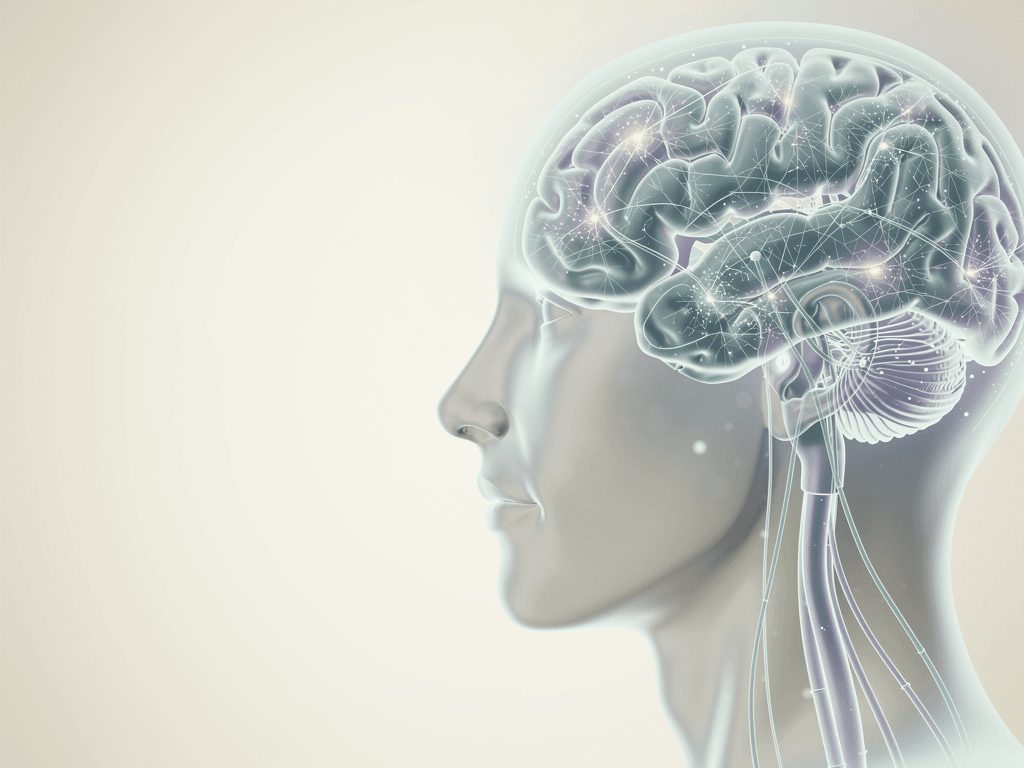
Researchers are still learning exactly how psilocybin affects the brain, but a few ideas have emerged consistently in the literature. Psilocybin acts primarily on serotonin receptors, especially the 5-HT2A receptor. That activity appears to change how different brain networks communicate with one another, at least temporarily.
One network that gets a lot of attention is the default mode network. This network is associated with self-referential thinking, rumination, and the kind of mental looping many people know too well. In addiction, those loops can sound like this: I already messed up, so I might as well keep using. I cannot tolerate this craving. Nothing is going to change anyway. Research suggests psilocybin may temporarily reduce the rigid activity patterns in this network, which could make room for a different perspective.
There is also interest in neuroplasticity, the brain’s ability to form new connections and learn new patterns. Some research suggests psychedelics may support conditions for neuroplasticity. That does not mean instant rewiring. It means there may be a window where entrenched habits become less fixed, and therapy can help shape what comes next.
For someone in recovery, that could matter in practical ways. If you have spent years reacting to stress, trauma, or loneliness with substance use, you are dealing with deeply reinforced patterns. A treatment that loosens those patterns may create an opening, but what fills it still depends on treatment, support, and repetition.
What Clinical Trials Have Found So Far
The strongest headlines have centered on psilocybin for alcohol use disorder. A 2022 randomized clinical trial led by Bogenschutz and colleagues, published in JAMA Psychiatry, found that psilocybin combined with psychotherapy was associated with significant reductions in heavy drinking days compared with an active placebo (diphenhydramine). If you want to review the research directly, a good starting point is this PubMed search: https://pubmed.ncbi.nlm.nih.gov/?term=psilocybin+alcohol+use+disorder.
Research has also looked at tobacco addiction, with early studies suggesting meaningful quit rates in some participants when psilocybin was paired with therapy. Other substance use disorders are being studied as well, though the evidence is still thinner and the sample sizes are often small. If you search the broader addiction literature, this PubMed query is useful: https://pubmed.ncbi.nlm.nih.gov/?term=psilocybin+addiction+clinical+trial.
It is worth being honest about what these studies do and do not tell us. The findings are promising, but many trials are still relatively small. Participants are often highly screened and receive a level of preparation and follow-up that can be hard to replicate in casual settings. That does not weaken the results. It simply means that context matters. A lot.
The FDA has granted breakthrough therapy designation to some psilocybin-assisted therapy programs, most publicly for treatment-resistant depression rather than addiction. This signals early regulatory interest, not broad approval.

Why This Matters For Addiction Treatment
If the research continues to hold up, psilocybin-assisted treatment could become a useful complement to existing therapies. Addiction care works best when it addresses behavior, trauma, mental health, and the nervous system together. A single intervention rarely covers all of that.
For many people, evidence-based care like cognitive behavioral therapy remains essential. CBT helps you identify distorted thinking, challenge automatic beliefs, and build more effective responses. In plain terms, it gives you tools. If psilocybin creates a moment of openness or insight, therapies like CBT can help you hold onto that insight when real life returns on Monday morning.
This is especially relevant in dual diagnosis care. Substance use often sits alongside depression, anxiety, trauma, or post-traumatic stress. At Seasons in Malibu’s dual diagnosis treatment program, addiction and mental health are treated together because separating them usually misses the point. Any conversation about psychedelic-assisted treatment has to keep that same standard. If someone has untreated trauma, unstable mood symptoms, panic, or severe shame, the right setting matters just as much as the intervention itself.
Who May Be A Good Candidate, And Who May Not Be
Not everyone struggling with addiction is an appropriate candidate for psilocybin-assisted therapy. This is one area where overpromising can do real harm. A careful program would look at your substance use history, psychiatric history, current medications, medical status, trauma history, and your ability to tolerate intense emotional material.
- People with alcohol use disorder who have not improved with standard treatment alone may be considered in research or specialized settings
- People with addiction tied to rigid depressive thinking, trauma, or chronic relapse patterns may be of clinical interest for future programs
- People who can participate in preparation, monitored sessions, and follow-up therapy tend to be better candidates than those looking for a quick fix
- People with a history of psychotic disorders, certain bipolar presentations, or unstable psychiatric symptoms may face higher risk and may not be appropriate candidates
There are also practical issues. If someone is in acute withdrawal, medically unstable, actively suicidal, or severely disorganized, they need stabilization first. In addiction treatment in Malibu or anywhere else, safety comes before experimentation. The treatment has to fit the patient, not the other way around.
The Therapeutic Setting Is Not Optional
This kind of work should never be separated from setting. In clinical research, the environment is designed carefully. Patients are prepared ahead of time. The dosing session is monitored. The team knows how to respond if fear, grief, confusion, or trauma memories surface. Afterward, there are integration sessions where the person makes sense of the experience and connects it to actual recovery goals.
Without that structure, the experience can become confusing or wasted. Insight alone does not protect against relapse. Plenty of people have a powerful realization and still return to old behavior when cravings and stress hit.
That is why high-quality addiction treatment programs matter. A serious addiction treatment program in Malibu should be able to address relapse prevention, trauma, psychiatric care, family dynamics, and aftercare planning, whether or not psychedelic modalities are part of the plan. If you are looking at a luxury rehab in California, ask harder questions than whether a program sounds cutting-edge. Ask who is doing the therapy, how often you will meet individually, how mental health is treated, and what support exists after discharge.
Legal Status And Access Right Now
Psilocybin remains illegal under federal law in the United States, though some states and local jurisdictions have moved toward decriminalization or regulated access in limited forms. That makes the legal picture confusing for a lot of people. Decriminalized does not mean medically approved. It also does not mean a treatment model has the clinical safeguards that addiction recovery usually requires.
Right now, most people who receive psilocybin-assisted therapy do so in research trials or regulated settings. Routine access through a standard addiction treatment center in Malibu is not yet the norm. Seasons in Malibu does not currently offer psilocybin-assisted therapy; the program’s focus remains evidence-based addiction and dual diagnosis care, and this article is meant to explain an emerging area of research rather than describe a service Seasons provides today.
If you are reading glowing claims online, slow down. Legal access, clinical quality, and good addiction care are not the same thing. A place can market psychedelic therapy recovery and still fail to provide strong screening, relapse planning, or evidence-based therapy.

What This Means If You Are Looking For Help Now
If you or someone you love is dealing with addiction today, the most useful takeaway is not that psilocybin is a miracle. It is that addiction treatment is evolving, and some of the most exciting research is focused on helping people break patterns that once felt permanent.
But recovery still comes back to the basics. You need careful assessment. You need treatment that takes mental health seriously. You need therapists who know how to work with trauma, cravings, relapse risk, and the shame that so often keeps people stuck. You need enough individual attention that your treatment does not get reduced to a schedule full of groups and very little depth.
That is part of what makes Seasons in Malibu different. In a field where many programs spread care thin, Seasons in Malibu offers doctorate-level primary therapists, master’s-level case management, and treatment built around both addiction and mental health. If you are comparing programs, look at the clinical team, the intensity of one-on-one care, and whether the program can treat the whole picture.
Frequently Asked Questions
Can psilocybin help with addiction?
Early research suggests it may help some people when it is combined with psychotherapy in a controlled setting. It is not a cure by itself, and it is still being studied for addiction treatment.
Is psilocybin approved for alcohol use disorder?
No. Research on psilocybin for alcohol use disorder is promising, but it is not broadly approved as a standard treatment for this condition. Access is still mostly limited to research or tightly regulated settings.
How is psychedelic-assisted treatment different from taking psychedelics on your own?
psychedelic-assisted treatment includes screening, preparation, monitored sessions, and follow-up therapy. Taking psychedelics on your own does not provide that structure, which is a major part of both safety and clinical benefit.
Should i wait for psilocybin therapy before getting help?
No. If you are struggling now, get treatment now. Strong addiction care with evidence-based therapy, psychiatric support, and dual diagnosis treatment can help you start recovering right away.
If you have questions about treatment options, or you are trying to find an addiction treatment center in Malibu that takes both substance use and mental health seriously, Seasons in Malibu is here to talk with you. You do not need to have every answer before you reach out. You just need a place to start.
